By Brian French | April 10, 2026
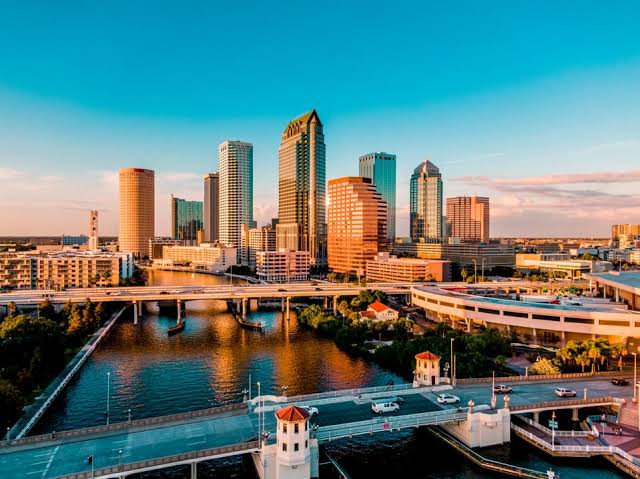
Tampa Bay is one of the most dynamic construction markets in the United States.
From residential developments in the suburbs of Brandon and Riverview to large-scale commercial and infrastructure projects stretching from Clearwater to downtown St. Petersburg, the region’s building industry is booming. But with growth comes complexity — and with complexity comes risk. That is precisely why surety bonds have become not just a best practice but an essential foundation of doing business in the Tampa construction sector.
What Is a Surety Bond?
A surety bond is a legally binding three-party agreement that guarantees a contractor will fulfill their obligations on a project. The three parties involved are the principal (the contractor), the obligee (the project owner or government entity requiring the bond), and the surety (the bonding company that backs the agreement). If the principal fails to meet their contractual duties — whether through non-performance, abandonment, or failure to pay subcontractors and suppliers — the surety steps in to remedy the situation. This protection is invaluable in a high-velocity construction market like Tampa Bay, where project values can run into the tens of millions of dollars.
Florida Law and Bonding Requirements
Florida’s Little Miller Act requires contractors on public construction projects valued above $200,000 to obtain both a performance bond and a payment bond. For Tampa-area contractors pursuing city, county, or state contracts, bonding is not optional — it is a legal prerequisite. Failure to secure proper bonds can disqualify a contractor from bidding on public work and expose them to significant legal liability. Even on private commercial projects, many sophisticated property owners and developers now routinely require bonds as part of the pre-qualification process, recognizing that bonded contractors carry a higher standard of accountability.
Protecting Project Owners and Taxpayers
One of the primary reasons the Tampa construction industry relies on surety bonds is the protection they provide to project owners and the public. When a bonded contractor defaults, the surety bond ensures that the project can still be completed without requiring the owner to go through lengthy litigation or absorb catastrophic losses. In a region where government-funded infrastructure projects — including schools, roadways, utility systems, and public facilities — are part of the everyday landscape, this protection matters enormously. Working with a reputable Tampa Bay surety bond provider ensures that projects of all sizes are properly underwritten and that owners have a clear recourse when contractors fall short of their obligations.
Protecting Subcontractors and Suppliers
Payment bonds are particularly critical for the network of subcontractors, materials suppliers, and specialty tradespeople that form the backbone of the Tampa Bay construction ecosystem. When a general contractor fails to pay their subs — due to insolvency, fraud, or dispute — those downstream parties often have little legal recourse beyond costly civil litigation. A payment bond changes that equation entirely. It guarantees that suppliers and subcontractors will be compensated for their work and materials, even if the principal contractor cannot fulfill those obligations. For the many small and mid-sized subcontracting businesses operating across Pinellas, Hillsborough, and surrounding counties, payment bonds are a lifeline that keeps their businesses financially stable.
Bonding as a Competitive Differentiator
In today’s competitive Tampa Bay construction market, being bonded is no longer just a compliance checkbox — it is a competitive advantage. Bonded contractors signal to project owners, lenders, and partners that they have been vetted by a professional surety underwriter, that their financial standing is sound, and that they have a track record of completing work as promised. Contractors who partner with a qualified St. Petersburg FL construction bond agency gain access to the market relationships and underwriting expertise needed to obtain bonds quickly and on favorable terms, giving them an edge when pursuing high-value contracts.
The Underwriting Process: More Than Just a Signature
Obtaining a surety bond is not simply a matter of paying a fee. Surety underwriters conduct a thorough review of a contractor’s financial health, experience, management depth, and project history. This vetting process — while rigorous — ultimately helps contractors identify and address weaknesses in their business before those weaknesses become catastrophic mid-project problems. A skilled surety agent can guide contractors through this process, helping them present their business in the strongest possible light to multiple surety markets. For contractors in the Brandon and eastern Hillsborough County area, working with a Brandon based surety bonds for construction specialist means having a local advocate who understands the regional market, the major project owners, and the competitive dynamics that influence underwriting decisions.
Navigating Bond Capacity as You Grow
As Tampa Bay contractors grow — taking on larger projects, entering new market segments, or expanding their geographic reach — bond capacity becomes a strategic concern. Surety programs are not one-size-fits-all. A contractor doing $5 million in annual revenue has very different bonding needs than one approaching $50 million. Managing those programs requires an ongoing relationship with a knowledgeable surety professional who can advocate on your behalf with the underwriting markets and help you structure your financials for continued growth. Contractors on the Pinellas County side of the bay who partner with an established Clearwater FL surety bond agent benefit from personalized guidance that goes beyond merely processing bond applications — it is a long-term advisory relationship.
The Risks of Going Without
Some smaller contractors attempt to avoid the bonding process, viewing it as an unnecessary cost or administrative burden. This is a false economy. Without surety bonds, contractors are locked out of public bidding opportunities, unable to qualify for many private commercial projects, and left exposed to the financial consequences of subcontractor or supplier disputes. In the event of a project dispute, an unbonded contractor faces the full weight of civil liability with no surety backstop. Given the scale and speed of Tampa Bay’s construction market, the costs of going unprotected far outweigh the premium associated with maintaining a strong surety program.
Choosing the Right Surety Partner
Not all surety bond agencies are created equal. The most effective surety partners are those with deep market relationships across multiple bonding companies, the ability to craft creative solutions for contractors with complex financial histories, and a genuine commitment to their clients’ long-term success. Tampa Bay’s construction industry deserves surety professionals who understand the local market — who know the project owners, the general contractors, and the subcontractors that drive this regional economy.
If you are a contractor operating in the Tampa Bay region and want to learn more about building or expanding your surety bond program, reach out to a trusted local expert:
Tampa/Brandon Office: 1219 Millennium Pkwy, Ste 113, Brandon, FL 33511
Phone: 813-547-3773 | Toll-Free: 888-220-3780
Whether you are just getting started with surety bonds or looking to increase your bonding capacity to pursue larger opportunities, the right surety partner makes all the difference. In a market as competitive and fast-moving as Tampa Bay, that partnership could define the trajectory of your construction business for years to come.
About the Author